
Failed UKA to TKA conversion requires precise bone loss management. This technique demonstrates an imageless robotic workflow to optimize precision. Using a two-phase registration, capturing native kinematics then intraoperative defect quantification, it helps achieve symmetric gaps and accurate component positioning. This iterative strategy supports conservative resections, potentially reducing the need for stems or augments in revision cases.
Watch this video to master the workflow, and discover the full role of robotics in UKA revision by accessing our dedicated webinar.
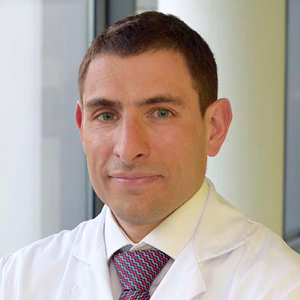
I am an orthopedic surgeon specialized in knee surgery. I practice at the University Hospital of Toulouse in the University Sports Clinic located in the Pierre Paul Riquet Hospital.
In addition to teaching at the Faculty of Medicine, I participate in courses for the professional societies to which I belong such as the SFA, ESSKA and SOFCOT.
My clinical activity (more than 800 surgeries per year) is exclusively focused on knee surgery. An important part of my surgeries is related to sports traumatology, in particular anterior cruciate ligament injuries (350+ ACL reconstructions per year).
My research activity is also focused on the knee. I have contributed to more than 110 publications in international journals. I am developing an à la carte approach in order to propose a personalized surgery to the patient. In the context of degenerative activity, the aim is to better analyze the variability of the anatomy in order to be able to propose prostheses adapted to the patient's anatomy. In the context of sports traumatology, it is a question of improving the dismemberment of all the lesions in order to propose an adequate therapy.
Since May 2022, I am a member of the board of ESSKA (European Society of Sports Traumatology Knee Surgery and Arthroscopy) as treasurer.